
New AI animal detection and smart signage trial working to limit wildlife-vehicle strikes
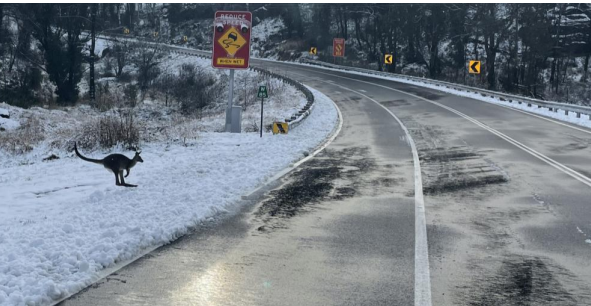
Artificial Intelligence assisted animal detection cameras and ‘smart’ signage are coming together on the Monaro Highway for a trial, aimed at reducing wildlife-vehicle strikes.
The innovative combination of technologies – called the Protective Animal Warning System (PAWS) – is part of the NSW Government’s commitment to improve safety for motorists and reduce the number of animal strikes on regional roads, particularly in known wildlife hotspots.
PAWS is being installed on a high-risk section of the Monaro Highway near Cooma, where high speeds, limited street lighting and frequent movement of animals increase the likelihood of crashes, especially around dawn and dusk.
Heat sensing and optical roadside cameras detect wildlife on or near the road and use an AI computer vision-aided model that has been specially trained to identify common species – such as kangaroos, deer and wombats. In real time, animals are detected and identified, and drivers are notified through smart road signage that lights up to warn of animals ahead.
Development of the PAWS technology was carried out by Transport for NSW technology and biodiversity specialists in 2025, who used wildlife movement data and imagery to ‘train’ the new AI system. This included work at Transport’s Yennora facility and collaboration with Symbio Wildlife Park, north of Wollongong.
At Symbio, special cameras were used to capture a library of images, showing how different species move and behave. That data was then combined with time of day and weather information to further refine the system’s accuracy in real world conditions.
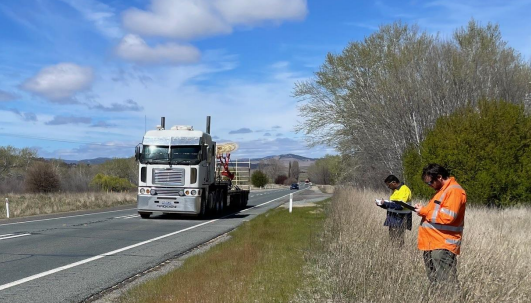
The Monaro Highway installation marks the transition from development and testing into a live roadside trial and will complement existing measures like fencing, wildlife crossings, and vehicle activated signage.
Transport will monitor performance at the Monaro Highway site to inform whether the technology could be rolled out to other locations.
This trial of AI-aided wildlife warning signs was made possible by an initial $500,000 commitment by NSW Government to investigate the use of emerging technologies as measures to reduce wildlife-vehicle strikes. It was one of the recommendations stemming from the 2024 Wildlife Symposium in Sydney, and the resulting Future Directions Report.
Minister for Roads and Regional Transport Jenny Aitchison said “This trial is about using innovative technology to make regional roads safer by giving drivers real-time warnings when wildlife is detected nearby.
“The Monaro Highway is a known wildlife hotspot, and this trial will help us understand how AI and smart signs can reduce the risk of collisions, while protecting wildlife.
“We’re investing in practical solutions that complement existing road safety measures and explore how emerging technology can improve outcomes for motorists.
“By combining optical and heat-sensing cameras, artificial intelligence and smart signs, we’re testing a system that can provide drivers with real-time information when it matters most.
“We’ll closely monitor the results of this trial to determine whether this technology could be expanded to other high-risk locations across New South Wales.”
Member for Monaro, Steve Whan said “Anyone who drives regularly on the Monaro Highway knows wildlife on our roads is a real issue, especially at dawn and dusk. Wildlife strikes are distressing, dangerous and costly for motorists, particularly on high-speed roads.
“What makes this trial exciting is that it’s focused on giving drivers better information at the moment they need it. Even a few extra seconds of warning can make a real difference.
“I’ve been approached by multiple stakeholders concerned for the welfare of our native animals. Some solutions like those used on major highways can be very expensive, so I’m excited that the Monaro Highway is being used to trial this new, affordable technology.”
More on the Monaro Highway trial and a summary of recommendations and government response to the Wildlife Symposium can be found in the Future Directions Paper here.