
Batemans Bay tops 10 Aussie high-risk bushfire hotspots
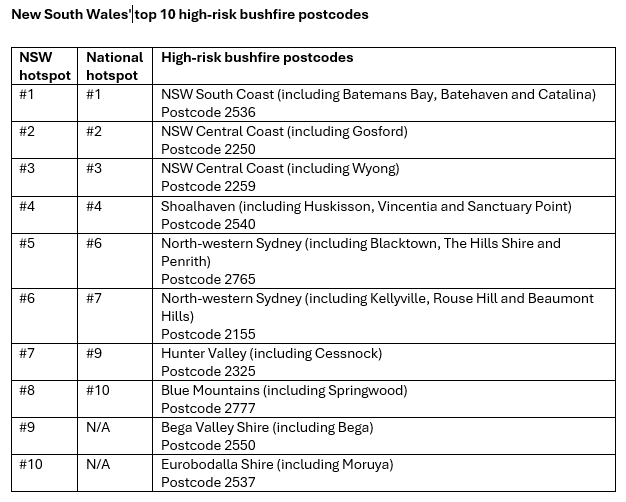
New data from insurer GIO has found eight out of Australia’s top 10 high-risk bushfire postcodes are in New South Wales, raising the alarm for households to get ready ahead of summer.
Batemans Bay on the South Coast (postcode 2536), along with Gosford (postcode 2250) and Wyong on the Central Coast (postcode 2259), and Shoalhaven (postcode 2540) made the top four national high-risk hot spots.
North-Western Sydney, including Blacktown, The Hills Shire, and Penrith (postcode 2155), the Hunter Valley (postcode 2325), and the Blue Mountains (postcode 2777) were also postcodes that made it into GIO Haven’s top 10 national list.
GIO Haven is an innovative digital tool designed to help homeowners understand their properties’ vulnerability to extreme weather and learn how to take proactive steps to protect it.
Haven uses property, location, weather, and GIO’s own natural peril risk data, allowing any homeowner in Australia to enter their address, see their risks, and receive a tailored video and downloadable resilience report for their home.
GIO’s Severe Weather Meteorologist Andrew Bufalino said this summer has the potential to be one of the hottest on record, with the El Niño heightening bushfire risk.
“There is the potential for a very hot summer across Australia, with an increased risk of extreme fire danger across parts of eastern Australia,” Mr Bufalino said.
“Should rainfall deficiencies return to areas that have recently experienced wetter conditions, fuel drying could accelerate rapidly under hot conditions, substantially increasing the risk of bushfire.
“Even in seasons where widespread bushfire activity is not expected, a single period of hot, dry and windy weather can still create significant localised impacts.”
GIO Head of Home Insurance Josh Kelland said households could gain a better understanding of their risk this bushfire season through GIO Haven.
“Each individual property has unique risks and unique insurance pricing based on those risks, so it’s important households understand these risks and what they can do to reduce them,” Mr Kelland said.
“Haven’s resilience tips are tailored to each property, meaning each individual household is provided a list of practical and effective steps to stay prepared this bushfire season.”
Mr Kelland said early household preparation was vital.
“Disaster seasons can be stressful for those living in high-risk regions, but if you prepare your home and your family before disaster strikes, you can lessen the impact, both to the home and to your family’s wellbeing,” Mr Kelland said.
“Preventative measures such as clearing out your gutters, trimming trees and packing a ‘grab and go’ kit ensures you’re prepped and ready, providing peace of mind ahead of an unpredictable El Niño cycle around the corner.
“Ticking off those little chores around the house could make a world of difference this summer.”
NSW Rural Fire Service Deputy Commissioner Ben Millington said preparation is the first line of defence against bush fires.
“Regardless of where you live in NSW, if your property is in or near bushland, it’s important to understand your risk and take steps to prepare for bush fires,” says Deputy Commissioner Millington.
“While our firefighters do a tremendous job, there isn’t a fire truck for every house during an emergency. The free, simple things you do around your home today can make all the difference during a fire.
“The most important thing every household can do is have a conversation about what you will do if a fire threatens your home, making those critical decisions about when to leave, what to take and where you will go.”
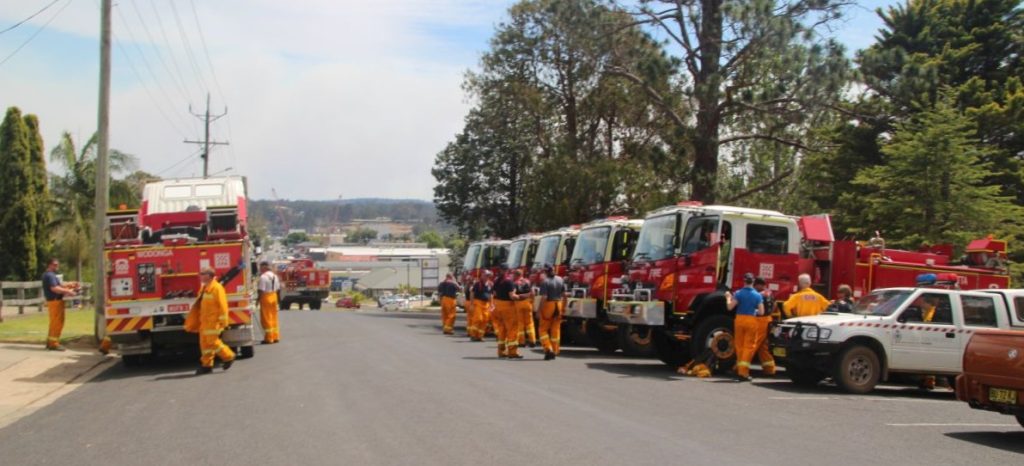
Top five tips to prepare your home for bushfire season:
- Clear your gutters of debris
- Trim trees and branches near your home
- Mow your lawn in the back or front yard
- Relocate woodpiles at least ten metres from your house
- Prepare a ‘grab and go’ emergency kit
GIO Haven is an Australian-first digital platform, powered by a combination of data sources such as property location, weather and natural hazard risk data. It uses this data to unlock a resilience rating for your home and generate a comprehensive, tailored report. Link to the digital tool here.
GIO’s hotspots are ranked based on the highest number of homes within a postcode that are at high-risk of bushfire, utilising GIO’s natural hazard risk data.