Eurobodalla Councillors may struggle with their new Code of Council
Meeting Rules
By Cid Mateo
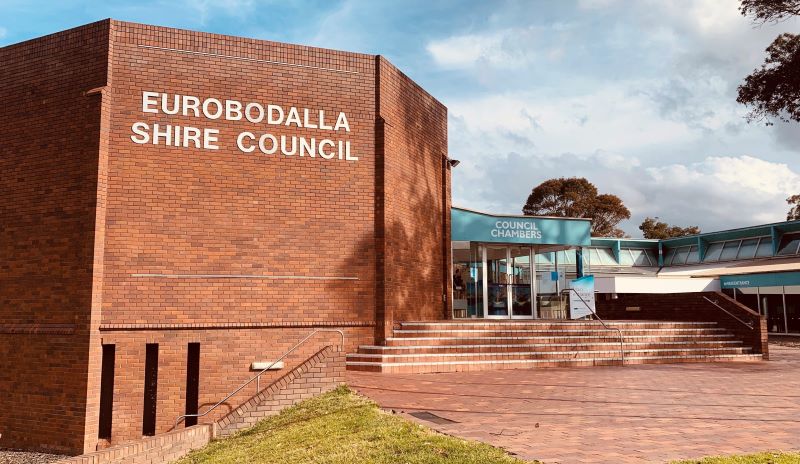
On 16 December 2025, Eurobodalla Shire Council adopted the new 2025 Model Code of Meeting Practice for Local Councils in NSW (the Meeting Code). The NSW Office of Local Government (OLG) directed the new Meeting Code apply from 1 January 2026. Just in the knick of time, the Eurobodalla Council squeezed in its draft Meeting Code on public exhibition before the end of 2025. Unfortunately, Council officers did not publish any relevant policy discussion, which might guide and stimulate the Eurobodalla community and strengthen local democracy. Consequently, two submissions from the community were received out of a population of around 42,000 in addition to two presentations at the Public Forum on 16 December 2025. This looks like inadequate consultation and engagement with the local community.
So what is the Model Meeting Code and why does it matter? The Model Meeting Code is prescribed under the NSW Local Government Act 1993 and the Local Government (General) Regulation 2021. This regulation governs Council Meetings and how they affect the community. The Model Meeting Code is one of our most important regulations designed to protect democracy and the public interest at our local government level. It prescribes the powers of Councillors, the Mayor and the General Manager, and the minimum standards that the community can expect with respect to transparent and accountable decisions made by the Council and recommendations put forward by Council officers.
In 2024, OLG reported a number of concerning undemocratic processes occurring in NSW Councils. One of the most concerning appears to be the practice where councillors receive secret briefings from council staff that are closed to the public. For example, councillors receive private briefings from council officers before they are dealt with in the public forum of a council meeting. Consequently, members of the public impacted by a council’s decision have no idea what the councillors have been told or what has been discussed. Sound familiar? This behaviour has been a feature of Eurobodalla Shire Council business up until 31 December 2025.
OLG has now mandated “that to promote transparency and address the corruption risks identified by the Independent Commission Against Corruption (ICAC) that can arise from a lack of transparency, it is proposed that councils will no longer be permitted to hold pre-meeting briefing sessions in the absence of the public. Any material provided to councillors, other than the mayor, that will affect or impact or be taken into account by councillors in their deliberations or decisions made on behalf of the community must be provided to them in either a committee meeting or council meeting.” Interestingly, this restriction does not apply to the mayor.
So what can we, the community, expect from our Council in 2026, and how are our Councillors going to cope without secret briefings? OLG tell us that Councillors can continue to request information from the General Manager to guide their decisions as long as that information is made public. In other words, there is no excuse for uninformed decisions by the Councillors. They can seek the information they need and ask questions to be better informed and make better decisions for the community. The community should also win because it is no longer shut out of secret briefing meetings. Any information given to Councillors must now be shared with the public.
How this all plays out in the Eurobodalla remains to be seen. With three business days notice of monthly Council Meeting agenda items and agenda papers, often hundreds of pages long, Councillors are now on a level par with the community, unless the public continues to be shut out. Let’s hope not and 2026 brings a new era of transparent and accountable decision making for all.